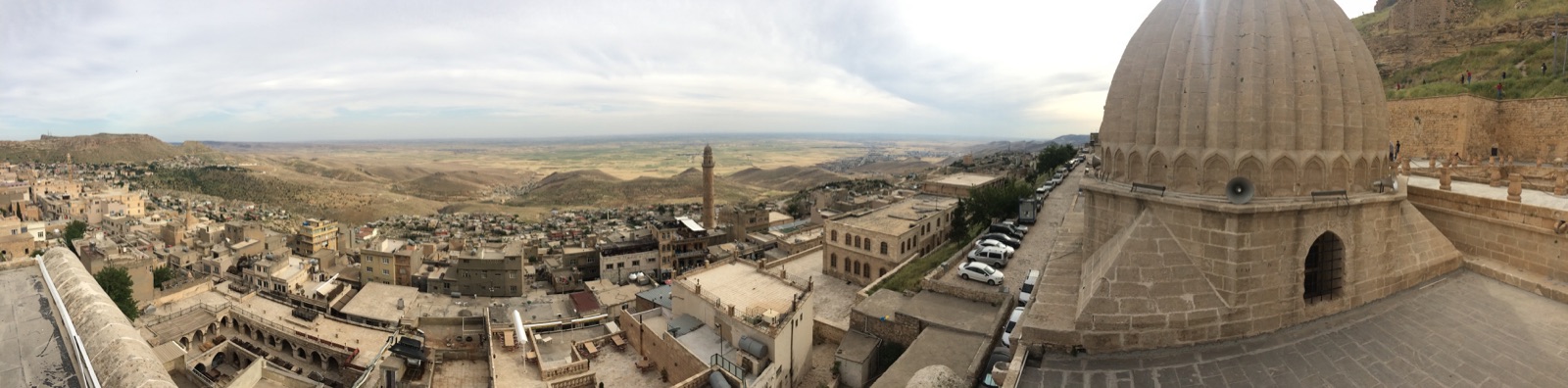
In Mardin, your eye moves from stone houses to the open plain beyond them. Streets bend, a vaulted passage offers a patch of shade, and a carved doorway interrupts your walk. Understanding the city means more than stopping in front of famous buildings: look at its craftsmanship, neighbourhood life and the traces of different faiths together. This two-day route balances walks through Old Mardin with a monastery visit outside the centre. It leaves each place time to tell its story instead of compressing everything into one hurried day.
1. Old Mardin: learn to read the stone streets
Give your first morning to Old Mardin. Begin around First Avenue, then explore short side streets at a comfortable pace. Notice arches, window surrounds and the way shadows change a façade. Covered passages known as abbaras make the walk more than a simple line between landmarks. These streets are still part of daily life: keep doorways clear and ask before taking close photographs of people. Before descending a stepped lane, consider the return climb too. Short distances on the map can take longer than expected on a hillside.
2. The Great Mosque and Zinciriye: two architectural perspectives
The Great Mosque’s ribbed dome reflects the city’s 12th-century Artuqid architectural heritage; the minaret you see today belongs to a later period. That distinction is a useful reminder that historic buildings rarely have just one date. Take your time around the courtyard and arrange entry around worship. Consider Zinciriye Madrasa as a separate stop, focusing on the stonework and entrance composition. Reaching a higher vantage point may involve steps or a slope, and terraces should not be assumed to be open at all times.
3. Kasımiye: time slows around a courtyard
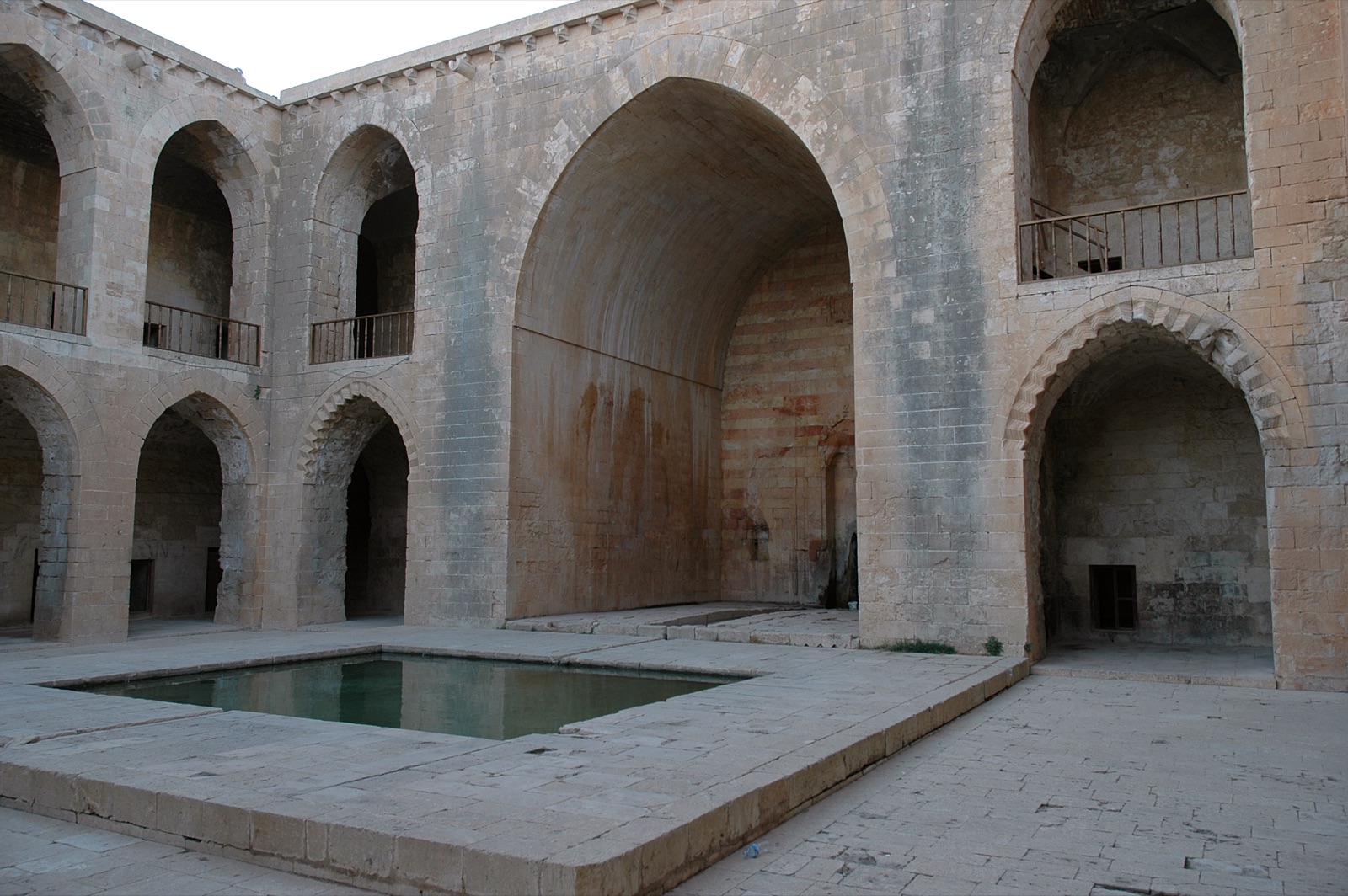
The construction history of Kasımiye Madrasa spans the Artuqid and Aq Qoyunlu periods. Rather than only photographing the building from a distance, look at the courtyard’s proportions, the rhythm of its arcades and the relationship between stone and water. Staying in one place for a few minutes lets smaller details emerge. If you hear a life-cycle interpretation of the courtyard water, treat it as symbolism associated with the building rather than proof of a historical event. With children, searching together for repeating arches and motifs can make the visit more engaging. Plan transport to Kasımiye separately from your central walk.
4. Deyrulzafaran: encounter a living Syriac heritage
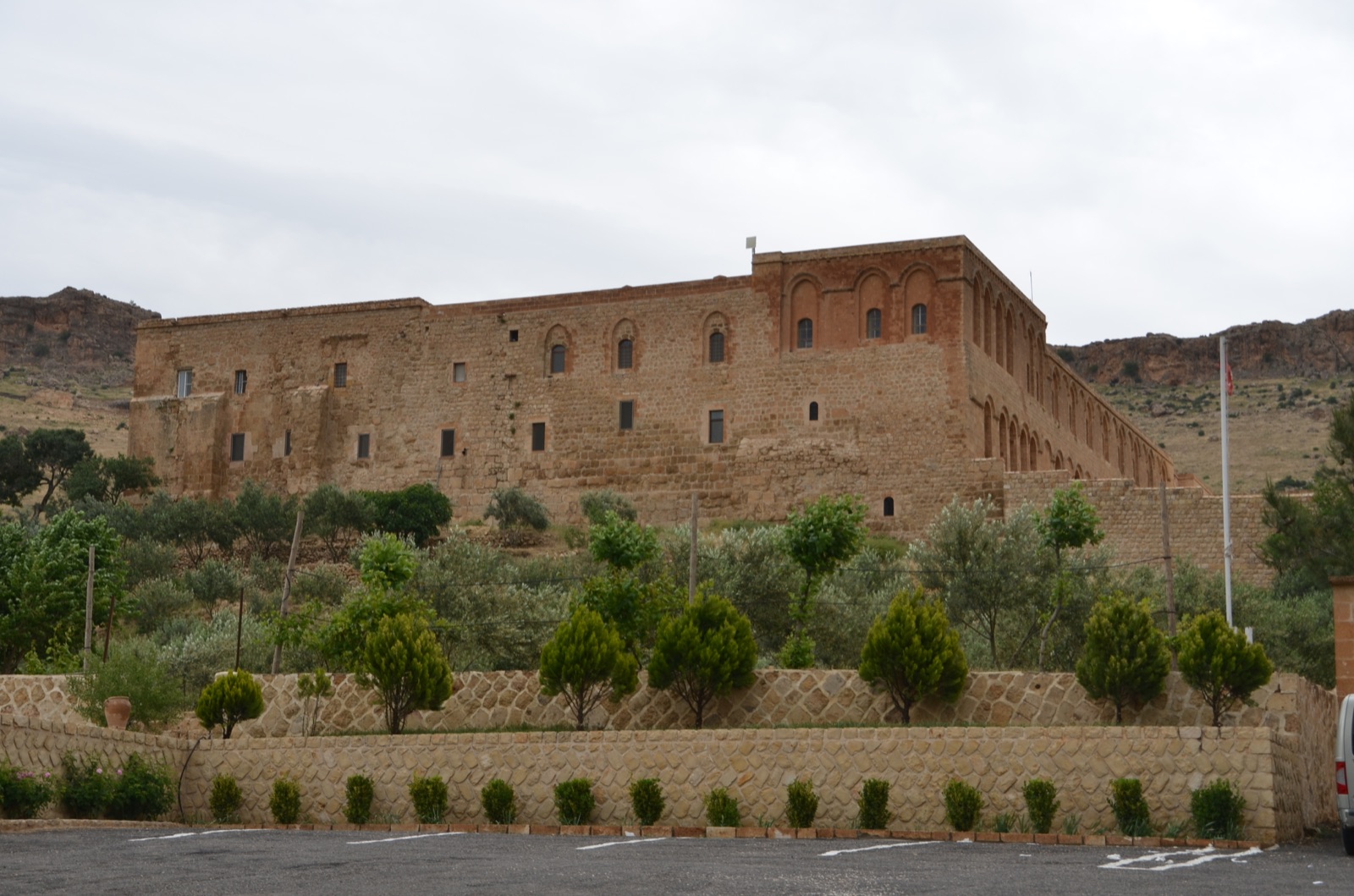
Make Deyrulzafaran Monastery one of the main stops on your second day. Outside the city centre, this Syriac Orthodox monastery is a place of continuing religious life, not simply a monument to the past. Build your visit around its arrangements: confirm accessible areas, how accompanied visits operate and the photography rules. As you explore the stone courtyards, ask about life here as well as the architecture. Respect for quiet spaces and people at worship is part of a thoughtful cultural visit. Do not assume fixed admission hours or access to every room.
5. Context in the museum, details in the bazaar
Time at Mardin Museum can help place the buildings you have seen within a broader history. The museum occupies a former Syriac Catholic patriarchate, making the building itself another layer of the visit. Afterwards, pause around the bazaar. If an object interests you, ask where and how it was made instead of assuming every souvenir is local handicraft. When choosing a regional dish for lunch, discuss ingredients and portion size. Explaining dietary requirements at the start makes trying something unfamiliar a more comfortable experience.
6. The last light over Mesopotamia
What makes the Mardin view distinctive is not only the city, but the wide horizon opening beyond its stone fabric. In late afternoon, choose a safe, permitted viewpoint and watch the light change across the façades. Colours depend on the season and weather; no photograph can promise an identical view on your visit. If booking a terrace table, check that the actual seat faces the plain. Take a photograph without obstructing other visitors, then spend a few minutes simply looking out.
How to divide your two days
Day one: the streets of Old Mardin, the Great Mosque and Zinciriye according to visitor access, followed by lunch and Mardin Museum. Keep the evening free for the city view. Day two: arrange transport for Kasımiye and Deyrulzafaran, leaving the remaining time for the bazaar or rest. Change the order to suit admission arrangements on the day. Dara Ancient City and Midyat are worthwhile additional routes, but should not be treated as quick extensions of this city itinerary. Giving them another day keeps the journey balanced.
Before you go
- Old Mardin has slopes and stairs; agree on a suitable route for strollers or mobility needs beforehand.
- For a stone hotel, ask about the room location, stairs and luggage access from the vehicle.
- Observe clothing, quiet and photography rules at mosques and monasteries.
- Start early on hot days and allow water and shade breaks.
- This is an editorial itinerary; admissions, transport and guiding are arranged separately.
Sources & visitor information
These itineraries are Darna’s editorial suggestions. Hours, fees, weather and access conditions can change; check official visitor information before travelling.